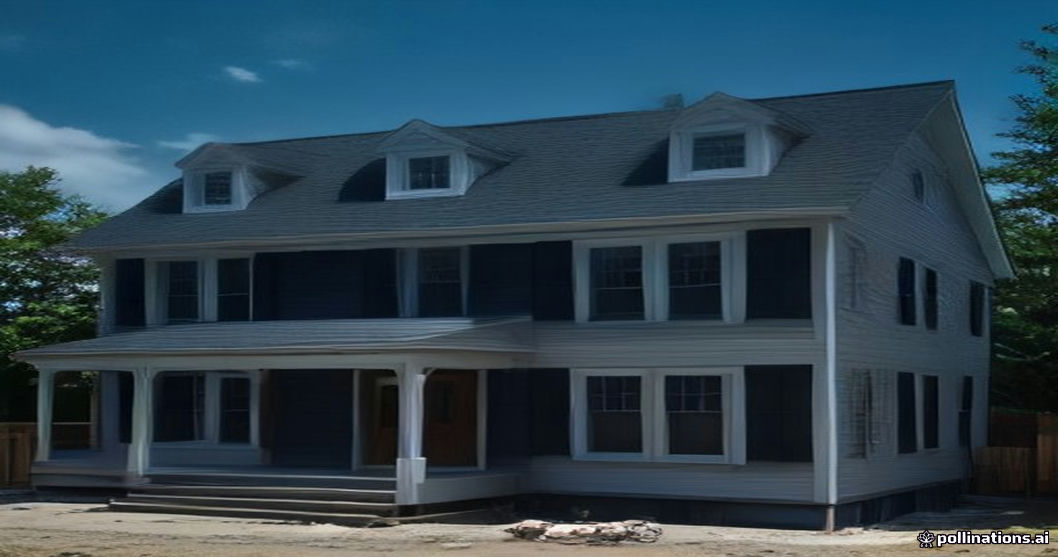

If you're planning to bring aging parents closer, give an adult child a private space, or create rental income potential, an in-law suite is one of the smartest investments you can make in Greater Boston. But before you start pricing kitchens and picturing that first Sunday dinner under one roof, you need real numbers. The in-law suite addition cost in Massachusetts varies widely depending on whether you're finishing existing space, bumping out a new addition, or building a fully detached unit — and the 2025 statewide ADU law has changed the math for a lot of families.
We've built dozens of these across Middlesex and Norfolk County, and this guide walks through what actually drives the price, how the new law can make your project a by-right permit, and where families get tripped up. No fluff — just the specifics you need to budget correctly.
What Counts as an In-Law Suite in Massachusetts?
The terminology matters because it determines your permitting path and your cost. In Massachusetts, an in-law suite typically falls into one of three categories:
- An attached suite within the existing footprint — converting a basement, first-floor bedroom cluster, or attic into a private living area with a bedroom, bath, and often a small kitchenette.
- An attached addition — building new square footage off the side or back of the house, connected internally or by a shared entry.
- A detached Accessory Dwelling Unit (ADU) — a standalone structure, or a garage conversion, that functions as an independent living unit.
The distinction between an "in-law suite" and a full ADU comes down to whether the space has a full kitchen and its own means of egress. A suite with a wet bar and mini-fridge is often treated as habitable accessory space; add a full kitchen and separate entrance, and you've legally created a dwelling unit — which triggers different code requirements and, until recently, a lot of zoning red tape.
How the 2025 Massachusetts ADU Law Changes Everything
This is the single biggest development for multigenerational housing in the state. As part of the Affordable Homes Act, Massachusetts now allows Accessory Dwelling Units up to 900 square feet by right in single-family zoning districts statewide, effective February 2025. "By right" means your municipality generally cannot require a special permit or discretionary zoning board approval for a compliant ADU — you go through the standard building permit process instead.
For families in towns like Lexington, Winchester, Newton, and Belmont — where zoning boards historically made accessory units difficult — this is a game changer. A detached in-law unit or garage conversion that once required months of hearings can now move forward as a straightforward permitted project, provided it stays within the 900 sq ft cap and meets setback, egress, and building code standards.
A few important caveats we tell every client:
- The by-right protection applies to one ADU per single-family lot. Additional units may still require zoning relief.
- Municipalities can still enforce reasonable regulations on setbacks, height, and design — they just can't ban ADUs outright.
- Owner-occupancy requirements and short-term rental restrictions vary by town, so check your local bylaw before assuming you can list it on Airbnb.
If you're weighing a suite versus a full ADU, this law often tips the scales toward the ADU because it can add rental income and long-term property value on top of housing your family.
In-Law Suite Addition Cost in Massachusetts: Real Numbers
Here's what families actually spend in Greater Boston. These ranges reflect 2025 material and labor costs in our service area — Waltham, Medford, Woburn, Arlington, and surrounding towns run at the higher end due to labor rates and permit fees.
Converting Existing Space (Basement or First Floor)
This is the most budget-friendly route because you're not pouring a new foundation or extending the roof. Expect $60,000 to $130,000 depending on scope. The big cost drivers:
- Full bathroom: $18,000–$30,000, driven by plumbing runs and, in basements, the possible need for an ejector pump.
- Kitchenette or full kitchen: $12,000–$40,000 depending on whether you add gas, a range hood exhaust, and cabinetry.
- Egress: Massachusetts building code (780 CMR) requires a bedroom to have a proper emergency escape and rescue opening. In a basement, this often means cutting the foundation for an egress window and window well — budget $6,000–$12,000. This is non-negotiable and one of the most commonly overlooked line items.
- Insulation and comfort: Basements need moisture management, insulation to code, and often a mini-split for independent heating and cooling.
Building a New Attached Addition
A ground-up attached suite typically runs $180,000 to $350,000+ for a 400–800 sq ft addition with a bedroom, full bath, living area, and kitchenette. You're paying for foundation, framing, roofing, siding to match the existing home, and full mechanical, electrical, and plumbing systems. Our home addition services cover this end to end, and matching the new roofline and exterior to the original house is where craftsmanship really shows.
Detached ADUs under the new 900 sq ft cap generally land in the $250,000 to $400,000 range when built new, because a standalone structure needs its own foundation, utility connections, and complete building envelope. Garage conversions can come in lower — often $120,000 to $220,000 — since the shell already exists.
Design Decisions That Drive Cost and Livability
Beyond the base build, a handful of choices dramatically affect both your budget and how well the suite functions for years to come.
Aging-in-Place and Universal Design
If the suite is for elderly parents, plan for accessibility now — retrofitting later costs far more. We routinely build in:
- Zero-step or minimal-threshold entries
- 36-inch doorways and wider hallways for walker or wheelchair access
- Curbless roll-in showers with blocking behind walls for future grab bars
- Lever-style handles and rocker light switches
- Single-floor layouts to eliminate stairs entirely
These features add perhaps 5–10% to the project but transform the space into one your family can use for decades — and they broaden your resale market too.
Kitchens, Utilities, and Separation
Decide early how independent the suite should be. A shared HVAC system and a kitchenette keep costs down and work well for a family member who dines with the household most nights. A separate electrical sub-panel, dedicated mini-split, private entrance, and full kitchen create a truly self-contained unit — ideal if you may eventually rent it or want genuine privacy for adult children. That independence typically adds $20,000–$45,000 but pays off in flexibility and property value.
Permits, Timeline, and What to Expect
Every in-law suite in Massachusetts requires a building permit, and any project adding a kitchen or bathroom pulls in separate electrical and plumbing permits. Permit fees in our area are commonly calculated as a percentage of construction cost — often around $10–$15 per $1,000 of value — so a $200,000 addition might carry $2,000–$3,000 in permit fees before inspections.
You'll go through a sequence of inspections: foundation, framing, rough electrical and plumbing, insulation, and final. Under the new by-right ADU rules, the zoning hurdle is largely gone, but the building department still enforces the full state code — including that egress requirement, smoke and carbon monoxide detector placement, and energy code compliance.
Realistic timelines from our experience:
- Basement or interior conversion: 8–14 weeks of construction
- Attached addition: 4–6 months
- Detached ADU: 5–8 months
Add 6–10 weeks up front for design and permitting. Because we self-perform our work with no subcontractors, we keep these timelines tight and avoid the scheduling gaps that stall so many additions. If your suite is part of a larger project, our full home renovation services let you tackle everything under one coordinated plan.
Frequently Asked Questions
Does an in-law suite increase my property taxes in Massachusetts?
Yes, usually. Adding habitable square footage or a new dwelling unit increases your assessed value, and your town will adjust your property taxes accordingly after the final inspection. The increase varies by municipality, but many families find the added tax is far outweighed by the value the suite adds — especially detached ADUs that generate rental income.
Can I rent out my in-law suite under the new ADU law?
Generally yes for a compliant ADU, though rules vary by town. The statewide law protects your right to build the unit, but individual municipalities may impose owner-occupancy requirements or restrict short-term rentals. Long-term rentals to family or tenants are typically allowed. Always confirm your local bylaw before counting on rental income.
What's the difference in cost between a kitchenette and a full kitchen?
A kitchenette — a sink, mini-fridge, microwave, and limited cabinetry — runs $12,000–$18,000. A full kitchen with a range, dedicated gas or 240V electrical, proper exhaust venting to the exterior, and full cabinetry runs $25,000–$40,000. The full kitchen is also what legally converts the space into a dwelling unit, so it affects your permitting path as well as your budget.
Ready to Build Your Multigenerational Suite?
An in-law suite is one of the most rewarding projects we build — it keeps families close, adds real value, and, thanks to the 2025 ADU law, is now more achievable across Greater Boston than ever before. Schlickmann Construction is a licensed Massachusetts general contractor (CSL-121587) serving Stoneham, Lexington, Winchester, Medford, Woburn, Newton, Belmont, Arlington, and surrounding towns. With a BBB A+ rating, 5.0★ Google reviews, and a team that self-performs every project — no subcontractors — we deliver honest timelines and craftsmanship you can trust. Contact us today for a free estimate and let's design a suite that works for your whole family.